
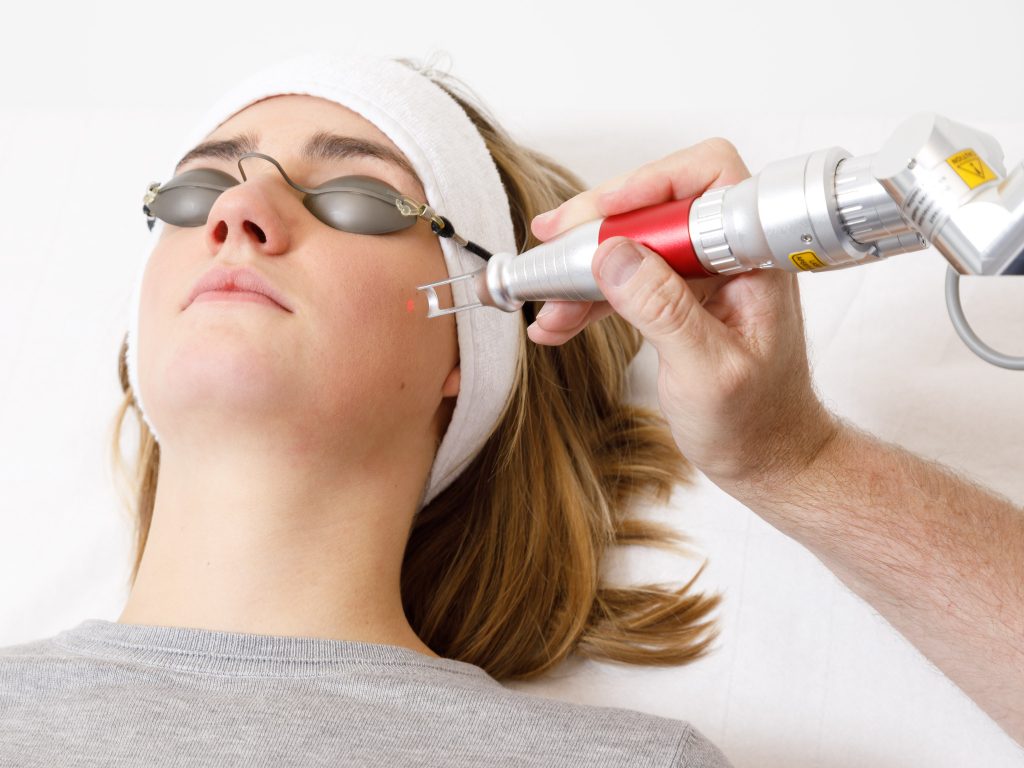
Every week, a patient walks into my clinic feeling totally defeated by stubborn dark spots or deep acne scars.
They have tried every cream and chemical peel on the market. That is exactly when I introduce them to my favorite tool in the clinic: the fractional picosecond laser treatment.
When I first purchased my advanced laser system from Emkanat, I was excited, but even I didn’t fully realize how much it would change my daily practice.
It has become my absolute go-to for complex skin issues. Let me walk you through everything you need to know about this incredible technology from my perspective as a working dermatologist.
Table of Contents
What is a fractional pico laser?
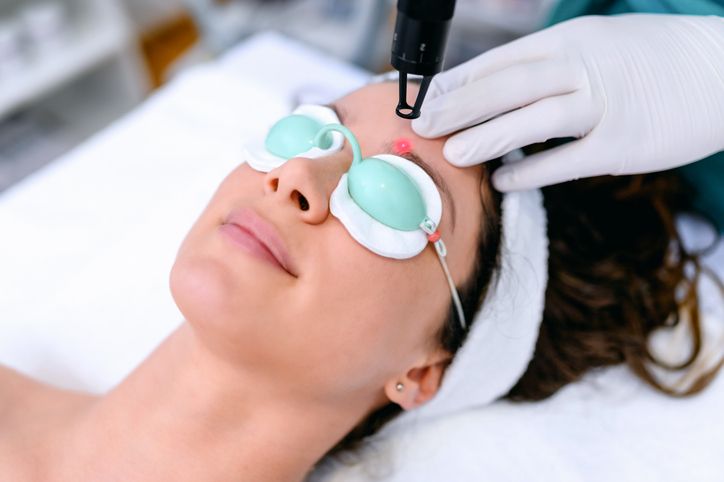
Patients look at the machine and naturally ask me, What is a fractional pico laser? I always explain it using simple terms instead of heavy medical jargon.
Traditional lasers use heat to burn away damaged skin, which requires a lot of healing time. A fractional pico laser is completely different.
It fires light energy in picoseconds, which is one-trillionth of a second! Because it is so unbelievably fast, it doesn’t just rely on heat. Instead, it creates a powerful acoustic wave—a tiny shockwave under the skin.
This acoustic energy shatters pigment into microscopic dust particles that your body can easily clear away.
The “fractional” part means the laser beam is broken up into hundreds of tiny micro-beams. This treats a fraction of the skin at a time, leaving healthy tissue around each micro-wound to speed up healing.
I tell my patients it is like aerating a lawn to let new grass grow. It triggers massive collagen production without burning the surface of your beautiful face.
Read more on Is Pico Laser Safe During Pregnancy? A Doctor’s Real Advice
What is picosecond laser good for?
People often sit in my chair with a list of skin complaints. They ask, What is picosecond laser good for? The honest answer is that it is one of the most versatile machines Emkanat has ever supplied me with.
I use it to treat a huge variety of concerns. It is phenomenal for removing stubborn tattoos, of course. But in my daily cosmetic practice, I rely on it for fading deep, resistant pigmentation, shrinking enlarged pores, and smoothing out rough skin texture.
It is also fantastic for overall skin rejuvenation. I have patients in their 40s and 50s who come in just for a “pico toning” session to get that healthy, radiant glow before a big event.
Because the energy delivery is so precise, I can safely use it on almost all skin types, which is a massive relief when treating patients in the Middle East who have diverse, beautifully rich skin tones that are prone to hyperpigmentation from older, hotter lasers.
Learn more on Ultraformer MPT vs Ultraformer 3: What is the Difference?
Fractional pico laser for acne scars
Acne scars can be emotionally devastating. I have handed many tissues to patients crying over the craters left behind by teenage breakouts.
Using a Fractional pico laser for acne scars has been an absolute game-changer in my treatment rooms. Older lasers used to require weeks of hiding at home looking like a severe sunburn.
The pico laser sends those tiny shockwaves deep into the dermis to physically break up the tough scar tissue pulling the skin down.
When patients ask to see a Pico laser for acne scars before and after, their eyes usually light up. The microscopic injuries force the skin to produce fresh, new collagen that literally pushes the depressed scars up from the inside out.
While deep ice-pick scars might still need some specialized subcision work, the overall smoothing effect the pico laser gives to rolling and boxcar scars is truly remarkable.
It restores not just the skin texture, but the patient’s confidence.
For more info read The Best Laser Treatment for Acne Scars: Why Discovery Pico
Picosecond laser for melasma
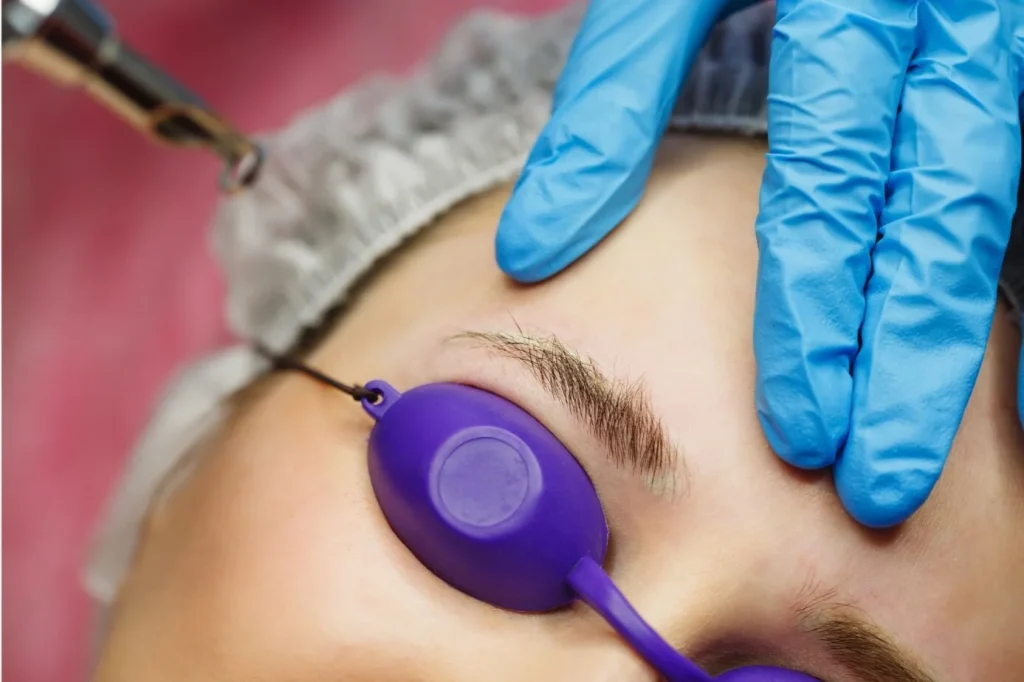
Melasma is the trickiest condition any dermatologist will ever treat. It is a hormonal pigmentation issue that hates heat.
If you put a hot laser on melasma, it will get angry and come back twice as dark. This is exactly why a Picosecond laser for melasma is such a breakthrough.
Because the laser fires so rapidly, it relies on acoustic energy rather than dangerous thermal heat.
I can safely shatter those deep, stubborn patches of melasma pigment without triggering the thermal damage that makes the condition worse.
I always remind my patients that melasma has no permanent cure. However, combining a strict medical skincare routine with gentle, consistent pico laser sessions is the best, safest way I have found to keep those dark patches clear and controlled over the long term.
Read more on Discovery Pico for Melasma: Does It Really Work?
Analyzing the Picosecond laser before and after
Visual evidence is everything in aesthetic medicine. Everyone wants to know what their face will look like.
When we review a standard Picosecond laser before and after photo in my clinic, the most obvious change is the clarity of the skin.
The muddy, uneven tones are swept away. The skin looks highly reflective and tight.
Sometimes, a patient will ask to see a Pico laser before and after 1 treatment. I am always very honest here.
Yes, you will see a beautiful brightening effect and fading of lighter freckles after just one single session.
However, for deep collagen remodeling, severe acne scars, or heavy melasma, one session is just the beginning of the journey.
For the dramatic, life-changing PICO fractional laser before and after pictures you see on Instagram, those patients have usually committed to a dedicated series of three to six treatments. Patience is required, but the payoff is always worth it.
For more info read Is Pico Laser Really Worth It? Benefits, Results & Costs
What to expect: Pico laser side effects
I never sugarcoat the recovery process. While this laser is much gentler than older ablative lasers, it is still a serious medical treatment.
When patients ask about Pico laser side effects, I tell them exactly what to expect. Immediately after the treatment, your face will feel hot and look quite red, similar to a mild sunburn.
Depending on how aggressive I need to be with the settings—especially for deep acne scars—you might see tiny red dots under the skin called petechiae.
This is completely normal! It just means the acoustic waves did their job deep in the tissue. These dots fade in a few days.
You might experience some mild dryness or flaking by day three, but there is no open wound, no oozing, and no need to hide in a dark room.
You can apply a gentle moisturizer, put on your SPF, and go about your normal life.
How long does picosecond laser last?
A great question I get every day is: How long does picosecond laser last? The answer depends entirely on what we are treating.
If I am using the laser to remodel acne scars and build new collagen, those structural results are permanent. Your body built that new tissue, and it is there to stay.
However, if we are treating sun damage, age spots, or melasma, the longevity depends heavily on your lifestyle.
The laser permanently destroys the existing pigment, but it cannot stop your skin from making new pigment if you go lay out in the sun without a hat and SPF 50.
I always tell my patients that protecting their investment requires strict sun avoidance.
Usually, my patients come back once or twice a year for a quick maintenance session just to keep their skin looking absolutely flawless.
Ready to upgrade your clinic’s capabilities?
If you are a doctor or clinic owner in Jordan, Iraq, or Syria looking to offer the safest, most advanced laser treatments to your patients, you need the right technology.
Contact Emkanat today to explore our premium range of aesthetic laser devices. Our team provides not just the equipment, but the extensive clinical training you need to deliver life-changing results!