
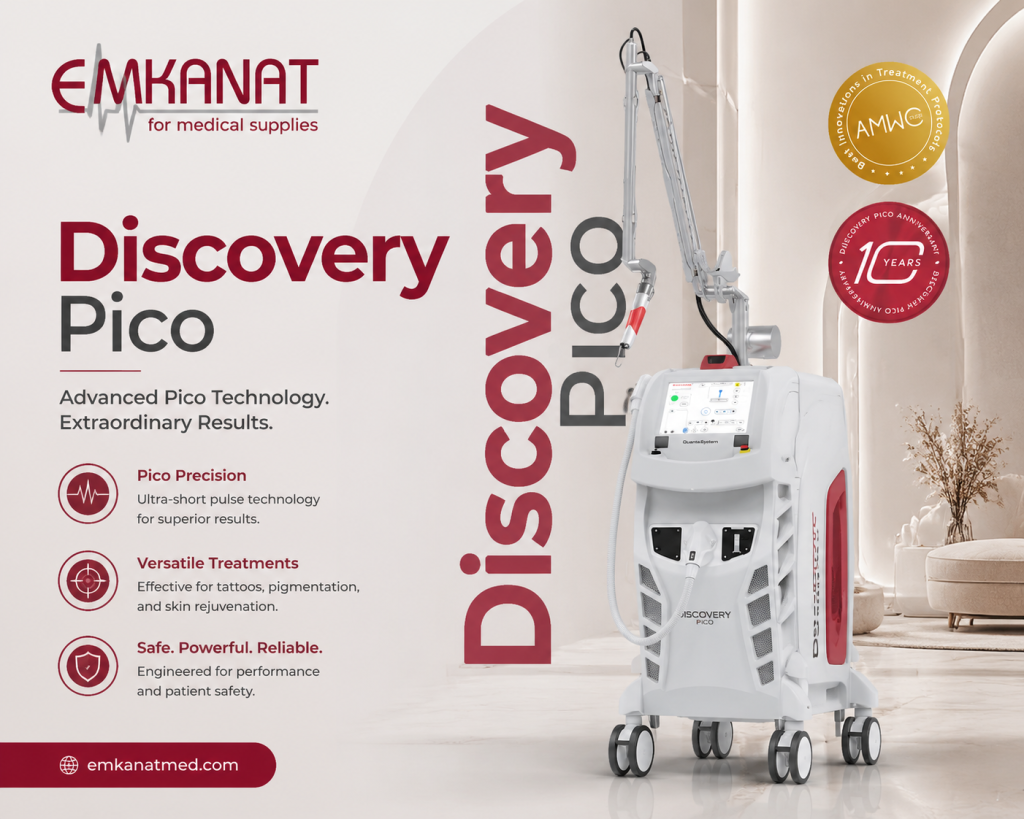
Patients increasingly ask about advanced picosecond laser technologies, especially when treating stubborn pigmentation, acne scars, and tattoo removal.
In my daily dermatology practice, I notice that many patients come in having already read online comparisons or social media opinions, but they are still unsure what actually differentiates one device from another in real clinical use.
Two of the most frequently compared systems are Discovery Pico vs PicoSure, and the confusion between them is understandable because both are marketed under the same “picosecond laser” category, yet their clinical behavior and flexibility can be quite different depending on the skin concern being treated.
As a dermatologist working with laser technologies in aesthetic medicine, I often see confusion between these two devices, especially when patients assume that all Pico lasers deliver identical results simply because they use picosecond technology.
While both belong to the picosecond laser category, they are not identical in performance, indications, or flexibility in real-world practice.
The differences become more noticeable when we treat complex cases such as melasma, mixed pigmentation, or patients with darker skin types where laser precision and wavelength selection matter significantly.
This guide will help you understand the real clinical differences, expected results over time, pricing considerations that patients usually ask about during consultations, and which device may be better depending on your skin concern and treatment goals.
My aim is to give you a realistic, experience-based explanation rather than marketing claims so you can make a more informed decision before undergoing treatment.
Table of Contents
What Is PicoSure?
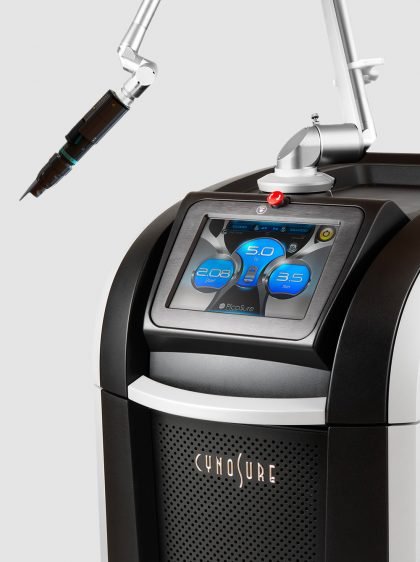
PicoSure is one of the earliest commercially available picosecond laser systems, and because of this it has a long-standing reputation in dermatology and aesthetic medicine clinics worldwide.
Over the years, it has become widely known among patients mainly due to its use in pigmentation treatments, tattoo removal, and overall skin rejuvenation procedures, and many patients specifically ask for it by name because they have seen before-and-after results online or heard about it from friends who underwent treatment.
PicoSure works by delivering ultra-short pulses of energy that break pigment into extremely small particles, allowing the body to gradually clear them through natural lymphatic processes.
It is particularly known for its 755 nm Alexandrite picosecond wavelength, which tends to be very effective for superficial pigmentation and certain types of tattoo ink, especially in lighter skin types where melanin contrast is easier to target without affecting surrounding tissue.
Read more: Does Pico Laser Have Side Effects? Risks, Benefits
What Is Discovery Pico Laser?
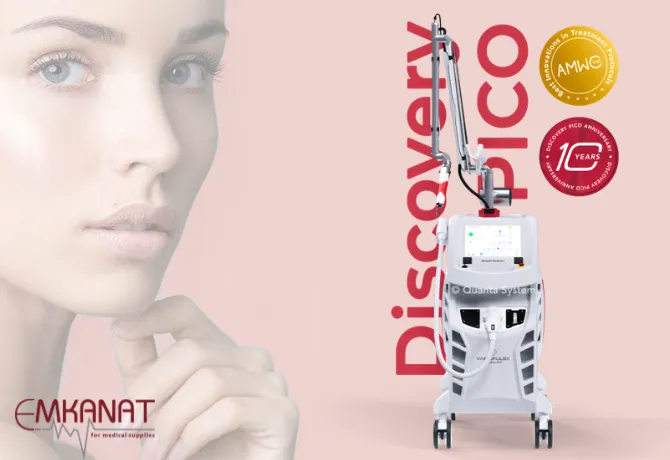
The Discovery Pico laser is considered a newer-generation picosecond platform that was designed with greater flexibility in mind, especially for clinics treating a wider variety of skin types and pigmentation conditions.
In everyday clinical practice, this system is often chosen because it allows more customization in treatment settings, which becomes particularly important when dealing with patients who have mixed pigmentation patterns or more sensitive skin responses.
It is designed to treat a broader range of skin concerns, including both deep and superficial pigmentation, melasma cases that require careful energy control, acne scars that need controlled dermal remodeling, skin revitalization, and even multi-color tattoo removal.
Unlike some earlier devices, Discovery Pico typically offers multiple wavelength options depending on the configuration, which makes it more adaptable for different skin types, including darker skin tones commonly seen in the MENA region where treatment safety is just as important as effectiveness.
Learn on Picosecond Laser for Pigmentation: A Dermatologist’s Guide
Discovery Pico vs PicoSure: Key Differences
1. Wavelength Flexibility
PicoSure
PicoSure is primarily built around the 755 nm Alexandrite wavelength, which in practice makes it highly effective for superficial pigmentation and certain tattoo inks, especially when the pigment is closer to the surface of the skin. However, because it relies mainly on one core wavelength, it has more limited flexibility when it comes to deeper pigmentation layers or more complex skin conditions that require different energy depths for optimal results.
Discovery Pico
Discovery Pico, on the other hand, is designed with multiple wavelength options depending on the system configuration, which allows the practitioner to adjust treatment depth more precisely based on what they see clinically in the patient’s skin. In practice, this means it can address a wider spectrum of pigmentation issues, from superficial sun spots to deeper dermal pigmentation, and this flexibility is often what makes it more suitable for complex or mixed cases.
2. Treatment Depth and Versatility
In real clinical practice, PicoSure performs very well for straightforward cases such as freckles, sun spots, selected tattoo colors, and mild rejuvenation cases where pigmentation is relatively uniform and superficial in nature. Patients with these concerns often achieve good results, although sometimes multiple sessions are still needed depending on pigment density and skin response.
Discovery Pico is often preferred in more complex cases, especially when patients present with mixed pigmentation patterns, melasma that requires cautious energy delivery, deeper dermal pigmentation, or acne scarring where controlled dermal stimulation is needed alongside pigment breakdown. This broader versatility is often the reason some clinics choose it as their primary platform for diverse patient populations.
3. Skin Type Safety
One of the most important considerations in dermatology is always skin safety, especially when treating patients with different Fitzpatrick skin types, and this becomes particularly relevant in regions like the Middle East where medium to darker skin tones are very common.
PicoSure has traditionally been used more frequently in lighter skin types because the 755 nm wavelength can interact more strongly with melanin, which requires careful patient selection to avoid pigmentation complications. Discovery Pico is often considered more adaptable across a wider range of skin tones because of its multi-wavelength flexibility, which allows the practitioner to adjust settings more conservatively when needed.
4. Downtime and Recovery
From a patient perspective, downtime is usually one of the first concerns, and fortunately both systems are considered low-downtime treatments when compared to older laser technologies. Most patients experience similar temporary effects such as mild redness, slight swelling, or sometimes temporary darkening of pigment that gradually resolves over time as the skin naturally clears the fragmented pigment.
In practice, recovery time is usually quite similar between both systems when treatments are performed correctly, and most patients are able to return to normal daily activities shortly after the session with only basic sun protection and skincare precautions.
5. Discovery Pico vs PicoSure Price
Patients frequently ask about Discovery Pico vs PicoSure price, and this is understandable because laser treatments can vary significantly in cost depending on the clinic and region. Pricing is usually influenced by multiple factors such as the treatment area size, number of sessions required, the type of skin concern being treated, the clinic’s technology investment, and the overall expertise of the provider performing the procedure.
In general, PicoSure treatments may be more widely available due to its longer presence in the market, while Discovery Pico pricing can vary more depending on system configuration and clinical setup. However, from a medical perspective, price should never be the primary deciding factor, because the correct diagnosis, appropriate wavelength selection, and practitioner expertise have a far greater impact on results than the machine name itself.
PicoSure vs Discovery Pico Reviews: What Do Patients Report?
When looking at Discovery Pico vs PicoSure reviews, most patient feedback tends to focus on perceived effectiveness, comfort during treatment, and number of sessions required to see visible improvement.
Patients who undergo PicoSure treatments often report good results for pigmentation clarity and tattoo fading, although deeper pigmentation may require more sessions depending on skin type and condition severity.
For Discovery Pico, patients often report broader satisfaction in more complex pigmentation cases, particularly when multiple skin concerns are treated simultaneously.
However, as with all laser treatments, outcomes vary significantly based on skin type, underlying condition, treatment settings, and how closely patients follow post-treatment care instructions such as sun protection and skincare maintenance.
What is Fractional Picosecond Laser Treatment?
PicoCare vs PicoSure
Comparisons such as PicoCare vs PicoSure often arise because both belong to the picosecond laser category but are manufactured by different companies with different design philosophies.
In general, PicoCare systems are often highlighted for their efficiency in tattoo removal, while PicoSure maintains a strong reputation in pigmentation correction and skin rejuvenation.
In clinical reality, both systems can perform well when used correctly, and the final result is more dependent on the treating physician’s experience and parameter selection rather than the brand name alone.
Pico Majesty vs PicoSure
When patients ask about Pico Majesty vs PicoSure, the discussion usually centers around differences in origin, energy delivery systems, and overall treatment versatility.
Both are used in pigmentation and tattoo removal protocols, but their clinical performance depends heavily on how the device is configured and how experienced the practitioner is in adjusting settings for different skin types and conditions.
Duetto Laser Hair Removal: The Best Guide to Treatment
PicoPlus vs PicoSure Pro
The comparison between PicoPlus vs PicoSure Pro is often raised in clinics that have access to multiple advanced laser platforms. PicoSure Pro represents an upgraded version of the original PicoSure system with improved performance and patient comfort features, while PicoPlus is generally designed as a multi-wavelength picosecond system that offers broader flexibility across different indications.
Both are considered high-end devices in aesthetic dermatology, and again, the most important factor influencing results remains proper diagnosis and treatment planning rather than the device alone.
Which Pico Is the Best?
The question which Pico is the best comes up in almost every consultation, and the honest answer is that there is no universal “best” device for everyone.
The ideal choice depends entirely on the patient’s skin type, the depth and nature of pigmentation, the treatment goal, and sometimes even lifestyle factors such as sun exposure habits and willingness to follow post-treatment care instructions.
In modern dermatology practice, multi-wavelength systems like Discovery Pico are often preferred for more complex or mixed cases, while single-wavelength systems like PicoSure remain excellent choices for more defined and superficial pigmentation concerns.
What Is Better Than PicoSure?
When patients ask what is better than PicoSure, I usually explain that it is not about superiority but suitability. In some clinical scenarios, Discovery Pico systems may be considered more suitable due to their broader wavelength flexibility and ability to treat a wider range of skin types and pigmentation depths.
However, PicoSure still remains a very strong and reliable option in many pigmentation and tattoo removal cases when used in the right patient group.
What Is the Difference Between PicoSure and Pico Discovery?
In simple clinical terms, PicoSure is an established and highly effective system with a more focused wavelength profile, while Discovery Pico is a more modern platform designed for greater versatility and adaptability across different skin concerns. Both are clinically validated picosecond lasers, but they are optimized differently depending on treatment goals and patient profiles.
Are PicoSure and Pico Laser the Same?
No, and this is a very important distinction that patients often misunderstand. “Pico laser” is a general category of laser technology defined by its picosecond pulse duration, while PicoSure is a specific branded device within that category. Other systems such as Discovery Pico, PicoCare, PicoWay, and Pico Majesty all fall under the broader pico laser umbrella but are not the same machine.
What I See in Practice
From real clinical experience, I always emphasize to patients that successful laser outcomes depend far more on correct diagnosis, appropriate parameter selection, and consistent treatment planning than on the machine itself. Skin type assessment, especially in Middle Eastern patients, plays a crucial role in avoiding complications and achieving predictable results, and even the most advanced laser cannot compensate for incorrect settings or poor clinical judgment.
Final Thoughts: Discovery Pico vs PicoSure
When comparing Discovery Pico vs PicoSure, both systems are clinically effective and widely respected in dermatology practice.
PicoSure is a proven and established platform with excellent results in well-selected cases, while Discovery Pico offers broader versatility that can be particularly useful in more complex pigmentation profiles and diverse skin types.
Ultimately, the best choice depends on the individual patient rather than the device name, and this is why a proper dermatological consultation remains essential before deciding on treatment.
If you are considering advanced pigmentation or skin rejuvenation treatment, Emkanat provides Discovery Pico laser technology as part of its specialized dermatology and aesthetic services.
Our clinic uses advanced picosecond laser systems designed to target pigmentation, acne marks, and uneven skin tone with high precision and safety across different skin types.