

Over the past few years, I’ve noticed a major shift in the questions patients ask during dermatology consultations. Instead of focusing only on treatments for acne or pigmentation, many people now want to understand how to build a proper skincare routine — especially a Korean skincare routine.
The reason Korean skincare became so popular is simple: it focuses on skin health first. Instead of aggressively drying or irritating the skin, Korean skincare emphasizes hydration, barrier repair, prevention, and long-term consistency. In my experience, patients who follow a balanced routine usually see better results than those constantly switching between harsh products or viral trends.
If you’ve been wondering about the correct Korean skincare steps, the right product order, or whether you actually need all 10 steps, this guide will help you understand what truly matters from a dermatological perspective.
Table of Contents
What Are the 10 Steps in Korean Skincare?
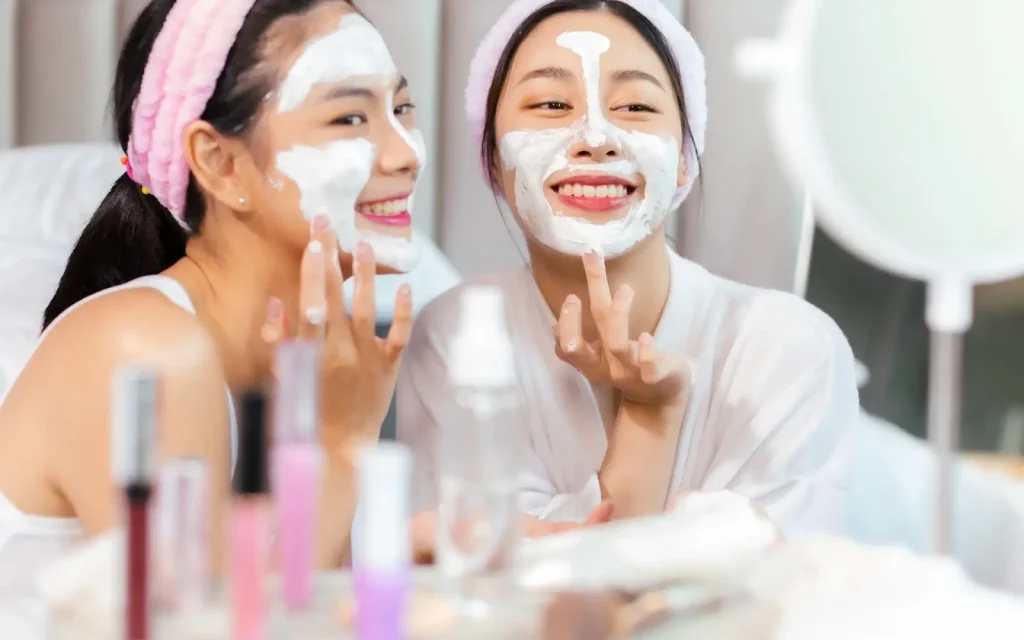
The famous Korean 10-step skin care routine day and night is designed to support the skin barrier while targeting concerns gradually and gently. Despite the name, not everyone needs all 10 steps every day.
Here’s how I usually explain the routine to patients.
1. Oil Cleanser
Many people are surprised when I recommend an oil cleanser, especially patients with oily or acne-prone skin. But sunscreen, makeup, and excess sebum are often oil-based, meaning water cleansers alone may not remove them completely.
A good oil cleanser helps dissolve:
- Sunscreen
- Makeup
- Excess oil
- Pollution residue
This step is particularly important at night.
2. Water-Based Cleanser
The second cleanse removes sweat, dirt, and leftover impurities without stripping the skin.
One mistake I commonly see is over-cleansing. Patients often use strong foaming cleansers thinking they will prevent acne, but overly harsh cleansing can actually damage the skin barrier and worsen inflammation.
For most skin types, a gentle low-pH cleanser works best.
3. Exfoliation
Exfoliation can improve texture and clogged pores, but it’s also one of the most overused skincare steps.
In clinic, I frequently treat patients with redness, sensitivity, and breakouts caused by excessive exfoliation. More is not always better.
Most people only need exfoliation:
- Once or twice weekly
- Occasionally three times for oily skin
Korean exfoliants are usually gentler and often contain:
4. Toner
Modern Korean toners are very different from the alcohol-heavy toners many people remember from older skincare routines.
Today, toners mainly help:
- Hydrate the skin
- Calm irritation
- Prepare the skin for the next products
Hydrating toners are especially useful for people living in dry climates or spending long hours in air-conditioned environments.
5. Essence
Essence is one of the most recognizable parts of Korean skincare.
Patients often ask me whether essences are really necessary. The answer depends on the skin type, but many people benefit from them because they provide lightweight hydration without heaviness.
Essences can help improve:
- Skin hydration
- Dullness
- Overall skin texture
6. Serum or Ampoule
The Korean skincare steps ampoule stage is where targeted treatment begins.
This is usually the step where we address specific concerns such as:
- Acne
- Pigmentation
- Fine lines
- Dehydration
- Redness
Ampoules are generally more concentrated than standard serums.
Some ingredients I commonly recommend include:
- Niacinamide
- Hyaluronic acid
- Centella asiatica
- Vitamin C
- Ceramides
The key is choosing ingredients appropriate for your skin rather than using every trending product at once.
7. Sheet Mask
Sheet masks are popular because they provide quick hydration and temporary glow.
While they are not essential daily, they can be useful before events or during periods of dryness, irritation, or skin stress.
I often recommend calming sheet masks after certain dermatological procedures because they can help soothe the skin barrier.
8. Eye Cream
The skin around the eyes is thinner and tends to show dehydration and fine lines earlier than other areas.
Eye creams may help improve:
- Dryness
- Puffiness
- Fine lines
However, many patients expect dramatic results from eye creams alone. In reality, sleep, hydration, sun protection, and genetics also play major roles.
9. Moisturizer
In my opinion, moisturizer is one of the most important steps in any skincare routine.
Even oily or acne-prone skin needs proper hydration. When the skin barrier becomes damaged, oil production may actually increase.
A good moisturizer helps:
- Reduce water loss
- Strengthen the skin barrier
- Improve tolerance to active ingredients
10. Sunscreen
If I had to choose only one skincare product for long-term skin health, it would be sunscreen.
Daily SPF is one of the most important Korean skincare rules because UV exposure contributes significantly to:
- Premature aging
- Pigmentation
- Collagen breakdown
- Uneven skin tone
Patients who consistently use sunscreen usually maintain healthier skin over time than those relying only on expensive treatments.
Read more on Meta Cell Technology for Hair: The Future of Hair Restoration Explained
Korean Skincare Routine Day and Night
One misconception I often hear is that morning and evening routines should be identical. In reality, the skin has different needs during the day and at night.
Morning Korean Skincare Routine
The morning routine should focus on hydration and protection.
A simple Korean skincare routine day and night approach for mornings may include:
- Gentle cleanser
- Toner
- Essence or serum
- Moisturizer
- Sunscreen
During the daytime, the goal is to protect the skin barrier and reduce environmental damage.
Night Korean Skincare Routine
At night, the focus shifts toward cleansing and repair.
Evening routines may include:
- Oil cleanser
- Water-based cleanser
- Exfoliation (occasionally)
- Toner
- Essence
- Ampoule or serum
- Moisturizer
This is usually when active ingredients work best because the skin naturally undergoes repair overnight.
5-Step Korean Skin Care Routine
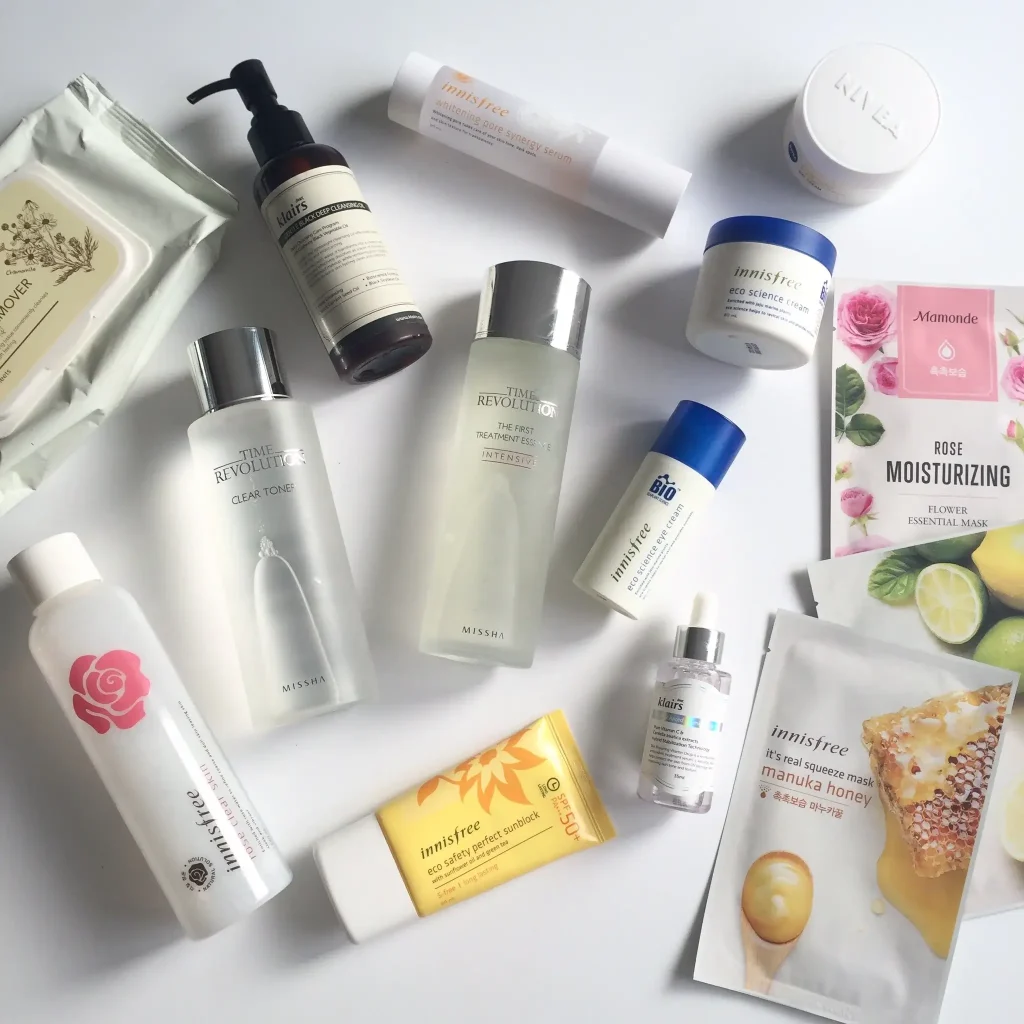
One thing I always tell patients is that skincare does not need to be complicated to be effective.
A well-structured 5-step Korean skin care routine is often enough for healthy skin.
Simple 5-Step Routine
- Cleanser
- Toner
- Serum
- Moisturizer
- Sunscreen
This simplified approach is often easier to maintain consistently, which matters far more than using 15 products inconsistently.
Korean Skincare Steps for Dry Skin
Patients with dry skin usually benefit greatly from Korean skincare because many formulations prioritize hydration and barrier repair.
Ingredients I Commonly Recommend for Dry Skin
- Ceramides
- Hyaluronic acid
- Panthenol
- Squalane
- Snail mucin
For Korean skincare steps for dry skin, I usually recommend:
- Limiting exfoliation
- Avoiding strong foaming cleansers
- Using richer moisturizers
- Applying products on slightly damp skin
Hydration layering often works very well for dry or dehydrated skin types.
Korean Skincare Steps for Acne Prone Skin
One of the biggest myths about acne-prone skin is that hydration causes breakouts. In reality, damaged skin barriers can worsen acne and irritation.
For Korean skincare steps for acne prone skin, I recommend focusing on:
- Gentle cleansing
- Non-comedogenic hydration
- Anti-inflammatory ingredients
- Moderate exfoliation
Helpful ingredients often include:
- Salicylic acid
- Niacinamide
- Centella asiatica
- Tea tree
- Green tea extract
Patients usually see better results when routines remain simple and consistent instead of constantly changing products.
Learn more on What is Ultraformer 3: A Dermatologist’s Guide
How to Use Korean Skincare Products Step by Ste
The easiest rule to remember is:
Apply products from the lightest texture to the heaviest texture.
Correct order:
- Cleanser
- Toner
- Essence
- Serum or ampoule
- Eye cream
- Moisturizer
- Sunscreen
This allows products to absorb properly without overwhelming the skin.
What Is the 4-2-4 Rule in Skincare?
The 4-2-4 rule is a Korean cleansing method involving:
- 4 minutes massaging cleansing oil
- 2 minutes with a water cleanser
- 4 minutes rinsing
While some people enjoy this technique, I usually advise patients with sensitive or acne-prone skin not to over-cleanse or excessively massage the face, as irritation can occur.
What Are the 7 Steps of Skincare?
Not everyone follows the full 10-step routine. A more balanced 7-step approach is often easier to maintain.
Typical 7-step routine:
- Oil cleanser
- Water cleanser
- Toner
- Essence
- Serum
- Moisturizer
- Sunscreen
For many patients, this routine provides a good balance between simplicity and effectiveness.
What Is Korea’s No. 1 Skincare Philosophy?
The biggest difference I notice between Korean skincare and many Western trends is the focus on prevention rather than correction.
Healthy skin is usually built through:
- Daily SPF
- Gentle cleansing
- Consistent hydration
- Barrier support
- Long-term routines
Most skin concerns improve gradually with consistency rather than overnight treatments.
What Are Common Korean Skincare Mistakes?
Some of the most common mistakes I see include:
Using Too Many Products at Once
Introducing multiple active ingredients simultaneously can trigger irritation.
Over-Exfoliating
Damaging the skin barrier often leads to redness, sensitivity, and breakouts.
Skipping Sunscreen
Even the best skincare routine cannot fully compensate for daily UV damage.
Following Viral Trends Blindly
Not every trending ingredient works for every skin type.
Ignoring Skin Type
Products should always be selected based on individual skin needs rather than popularity alone.
Best Korean Skincare Steps for Healthy Skin
The best korean skincare steps are the ones that fit your skin type, lifestyle, and long-term consistency.
From a dermatologist’s perspective, healthy skin usually comes from:
- Gentle cleansing
- Barrier repair
- Daily sun protection
- Appropriate hydration
- Patience and consistency
Whether you choose a full Korean skincare routine with products or prefer a simpler approach, the goal should always be healthier, stronger skin — not chasing unrealistic perfection.
Explore our skincare solutions and discover the best korean skincare steps for healthier, more balanced skin with guidance from experienced skincare professionals with Emkanat for Medical Beauty Supplies.