
When a clinic is considering a new energy-based device, I do not begin with a list of impressive treatment claims. I begin with three more practical questions: What does the technology actually do? Is it appropriate for the clinicians who will use it? And can the supplier support the clinic after installation?
Plexr Plus is a professional plasma system made by GMV for use in healthcare settings. It creates a controlled electrical arc by ionizing the air between its applicator and the tissue surface. It is not a laser, and it should not be treated as a generic beauty pen. Like any medical energy device, its value depends on correct patient selection, a properly trained operator and use within the indications authorized for the relevant market.
This guide is written for dermatologists, aesthetic physicians, clinic owners and procurement teams. It explains what should be verified before adding Plexr Plus to a practice, without assuming that one device is suitable for every clinic or every patient.
What is Plexr Plus?
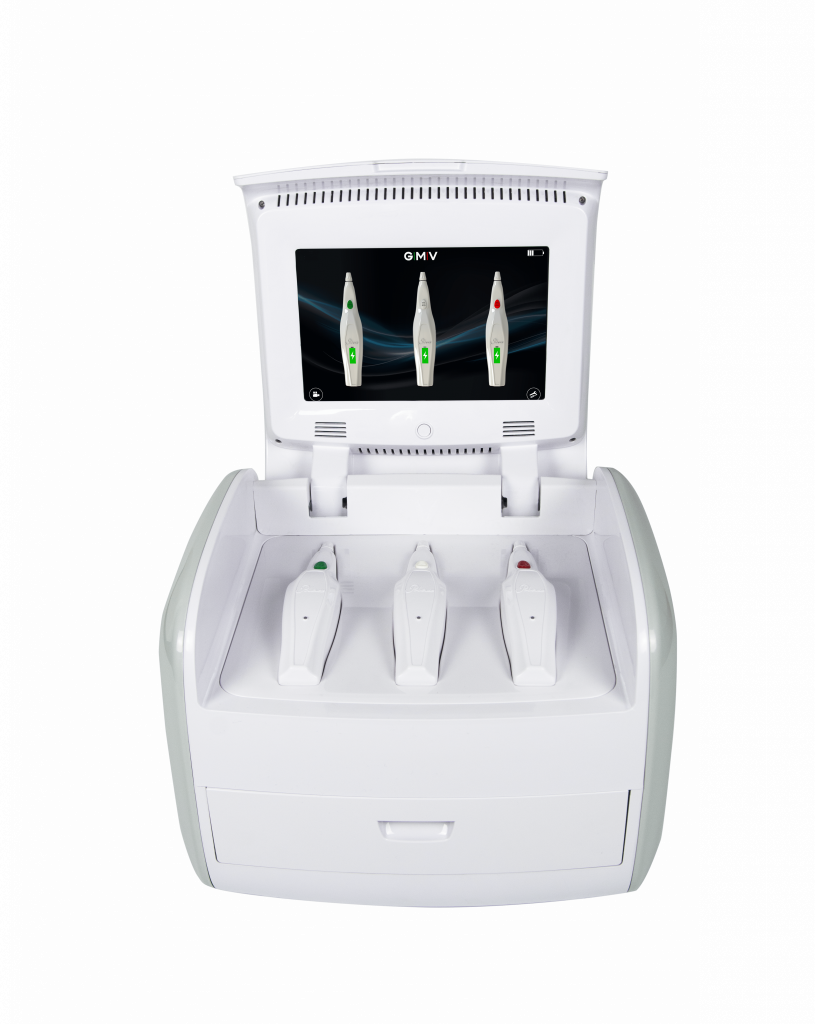
Plexr Plus is part of GMV’s professional medical technology portfolio. According to the manufacturer’s current product information, the system uses micro-plasma technology and includes three handpieces intended to provide different fixed levels of output. The exact device configuration, accessories and authorized applications should always be checked against the current documentation supplied for your country.
From a clinical perspective, the important point is that Plexr Plus creates a real tissue effect. The term “non-surgical” should not be misunderstood as “no risk” or “no recovery.” A procedure may avoid an incision or sutures and still require careful assessment, infection-control measures, informed consent and structured aftercare.
Clinics that want to see where Plexr Plus sits within the wider product range can visit Emkanat’s GMV Plexr equipment overview. That portfolio page is the appropriate place to compare current GMV platforms and request model-specific information.
Is Plexr Plus a laser?
No. Plexr Plus is not a laser. A laser delivers concentrated light at selected wavelengths. Plexr Plus uses high-frequency electrical energy to ionize gas in the air and form a small plasma arc between the applicator and tissue. Radiofrequency is involved in generating that plasma, but the clinical delivery method is not the same as a conventional radiofrequency applicator.
| Technology | Basic energy principle | What the clinic must evaluate |
|---|---|---|
| Plasma | Ionized gas creates a localized electrical arc at the tissue surface | Authorized uses, operator training, tissue response and aftercare |
| Laser | Light energy is delivered at one or more defined wavelengths | Wavelength, pulse characteristics, target chromophore, cooling and skin type |
| Radiofrequency | Electrical energy produces controlled heating through tissue resistance | Delivery mode, depth, temperature control, applicator and treatment endpoint |
This distinction matters because search terms such as “Plexer laser” are common, but they can lead to the wrong expectations. Technology should be described accurately before a clinic discusses outcomes, treatment menus or return on investment.
How does Plexr Plus work?
The applicator is positioned close to the tissue rather than used like a conventional laser handpiece. A potential difference between the electrode and tissue ionizes particles in the surrounding air. This produces a controlled arc and a localized tissue effect. In regulatory documents, this process is described as plasma sublimation.
The US Food and Drug Administration’s 510(k) summary describes the device as a professional system with three cordless handpieces and states that it is intended for removal and destruction of skin lesions and coagulation of tissue in that market. It also describes controlled skin damage as part of the mechanism. This language is more clinically useful than claims suggesting that the technology works without tissue injury. Read the FDA 510(k) summary for Plexr Plus.
Which applications should a clinic evaluate?
GMV presents Plexr Plus for professional use across several medical fields, including aesthetic medicine, dermatology and ophthalmology. That does not mean every application is authorized in every country, appropriate for every operator or supported by the same level of evidence.
Before adding any procedure to a treatment menu, I would separate the decision into four layers:
- Regulatory indication: Is the proposed use included in the registration and instructions for use supplied for your market?
- Clinical evidence: Does published research address the same condition, patient group and technique?
- Professional scope: Is the planned operator licensed and trained to assess the patient, perform the procedure and manage complications?
- Clinic pathway: Can the clinic provide photography, consent, infection control, aftercare and follow-up to an appropriate standard?
This is especially important for periocular procedures and skin lesions. A lesion should be clinically assessed before an energy-based procedure is considered. Suspicious, changing or uncertain lesions need an appropriate diagnostic pathway rather than cosmetic treatment.
What does the clinical evidence tell us?
There is published research on plasma exeresis, including studies of periorbital rejuvenation, xanthelasma and selected dermatological applications. These papers are useful, but they must be read in context. Study size, patient selection, technique, follow-up and the specific device used all affect how confidently the findings can be applied in routine practice.
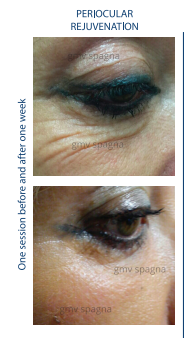
For example, a clinical trial involving 56 women reported improvement following a series of plasma exeresis procedures for periorbital rejuvenation. A separate study described treatment of xanthelasma in 15 patients. These results are encouraging for the questions studied, but they do not prove that every marketed application will deliver the same outcome. See the research on periorbital rejuvenation and xanthelasma treatment.
A descriptive study also documented how plasma exeresis was being used in a dermatology clinic and reported patient recovery experiences. Descriptive evidence is helpful for understanding practice patterns, but it is not the same as a randomized comparison or long-term safety study. The full abstract is available through PubMed.
The honest clinical conclusion is that evidence should support a carefully defined use, not a blanket promise. Clinics should avoid phrases such as “works for everyone,” “scar-free,” “no downtime” or “guaranteed results.” Those statements do not reflect the variability we see in patient selection, healing or operator technique.
Safety, patient selection and recovery
A responsible consultation begins before the device is switched on. The clinician needs to confirm the diagnosis or treatment objective, review relevant medical history, examine the treatment area and decide whether another approach would be safer or more predictable.
- Use the current manufacturer instructions to review contraindications, warnings and treatment-area restrictions.
- Discuss expected discomfort, visible recovery, aftercare and possible adverse effects without minimizing them.
- Use particular caution around the eyes and other anatomically sensitive areas.
- Document the treatment plan, settings or handpiece selection, endpoint and follow-up instructions.
- Maintain a clear pathway for reviewing delayed healing, infection, pigmentary change, scarring or an unexpected result.
Skin tone also deserves individual attention. It is not enough to say that a device is suitable for all phototypes. The clinic should verify what the manufacturer documents, what the evidence supports and how operator technique and aftercare may influence the risk of pigmentary complications.
How Plexr Plus fits into daily clinic workflow
The purchase decision should include more than the console and handpieces. A clinic needs to understand how the system will be incorporated into consultation, treatment, documentation and follow-up.
- Configuration: Confirm the exact model, handpieces, supplied accessories and compatible consumables.
- Consumables: Ask which components are single-use, how they are supplied and what their recurring cost will be.
- Training: Confirm who can attend, whether training is hands-on and what ongoing clinical support is available.
- Infection control: Review cleaning, disinfection, sterile-component and waste-disposal requirements.
- Maintenance: Clarify software updates, preventive maintenance, service response and replacement-part availability.
- Patient pathway: Build consistent consent, photography, aftercare and review processes before launch.
In our conversations with clinics at Emkanat, these operational details are often more important than the longest possible list of applications. A versatile system only becomes useful when a team can operate it consistently, support patients appropriately and obtain reliable technical help.
What training does the operator need?
Device training should cover more than button operation. It needs to connect patient assessment, treatment planning, handpiece selection, technique, clinical endpoints, infection control and complication management. Experience with another laser or energy-based platform is helpful, but it does not automatically replace product-specific training.
Operator rules vary by country and professional license. Clinics in Jordan, Iraq or Syria should verify the local requirements that apply to the device, the procedure and the person performing it. Emkanat can discuss available product information and support by location through its regional service pages, but the clinic remains responsible for confirming its regulatory and professional obligations.
Plexr Plus purchasing checklist for clinics
| Question | What to obtain in writing |
|---|---|
| Is this model registered for our market? | Current registration and market-specific intended use |
| What is included? | Model, handpieces, base, accessories, starter consumables and documentation |
| Who can operate it? | Manufacturer requirements and applicable local professional rules |
| What training is provided? | Format, attendees, clinical content, assessment and follow-up support |
| What are the recurring costs? | Consumables, servicing, software, replacement parts and optional accessories |
| What happens if the device stops working? | Warranty terms, service location, response process and parts availability |
| How will we introduce it safely? | Protocols, consent, photography, aftercare and adverse-event procedures |
Pricing should be requested for the exact configuration. A headline device price is not enough to calculate the real investment. Clinics should include training, consumables, maintenance, staffing, appointment time and realistic patient demand in their assessment.
Frequently asked questions
Is Plexr Plus a laser?
No. Plexr Plus uses electrical energy to ionize air and create a localized plasma arc. A laser produces concentrated light at selected wavelengths. The technologies have different delivery principles and should not be described interchangeably.
What is plasma sublimation?
In Plexr documentation, plasma sublimation describes the controlled tissue effect created by the electrical arc at the surface. It should not be presented as a process without injury or recovery. The intended endpoint, technique and aftercare must follow current manufacturer guidance.
Does Plexr Plus replace surgery?
Not universally. A plasma procedure may be considered for selected patients and objectives, but it is not an equivalent substitute for every operation. The decision depends on diagnosis, severity, expected outcome, evidence, risk and the alternatives available to the patient.
What should a clinic verify before buying Plexr Plus?
Verify regional registration, intended use, exact configuration, operator requirements, training, consumables, warranty, service coverage and clinical protocols. Ask for these details in writing and evaluate the complete operating cost rather than the device price alone.
How much does Plexr Plus cost?
Pricing depends on the supplied model, accessories, consumables, training, service package and country. Request a current, itemized quotation so the clinic can compare the complete package and confirm what support is included.
Is Plexr Plus right for your clinic?
Plexr Plus may be worth evaluating when a clinic has an appropriate clinical scope, qualified professionals, a clear patient pathway and realistic demand for plasma-based procedures. The decision should be based on evidence and operational fit, not on the assumption that a long application list automatically creates clinical or commercial value.
At Emkanat, our role is to help clinics understand the available equipment, ask better purchasing questions and obtain the current product information for their location. Before making a decision, request the relevant documentation and discuss the configuration, training and support your team actually needs.
Professional-use information only. Clinical applications, contraindications, operator requirements and regulatory status vary by market. Confirm the current manufacturer instructions and local requirements before offering treatment.